Choose the experience, then build the route
A morning among ancient stone ruins, a hillside walk in cooler air, an evening beside the sea: Sri Lanka offers very different journeys within one island. The pleasure comes from spending enough time in the places you choose, rather than collecting stops on a map.
Start with two priorities. You might combine heritage and a beach stay, city food and hill-country scenery, or wildlife and quiet time in one region. Count your usable days after arrival and before departure, then allow for transfers, rest and changing weather. Distances can look modest while journeys take much of a day.
This is a starting guide for choosing regions, not a live timetable or a promise of access. Check current weather, transport, visitor arrangements and accommodation before booking. The suggested routes below are planning examples with room to adapt.
Find a starting point that matches your interests
These are starting points, not a complete ranking. The official tourism destination directory can help you investigate other regions, including a dedicated northern journey. Adding a distant destination is worthwhile when you can give it time; it need not be squeezed into a short circuit.
| Area | What to explore | Planning consideration |
|---|---|---|
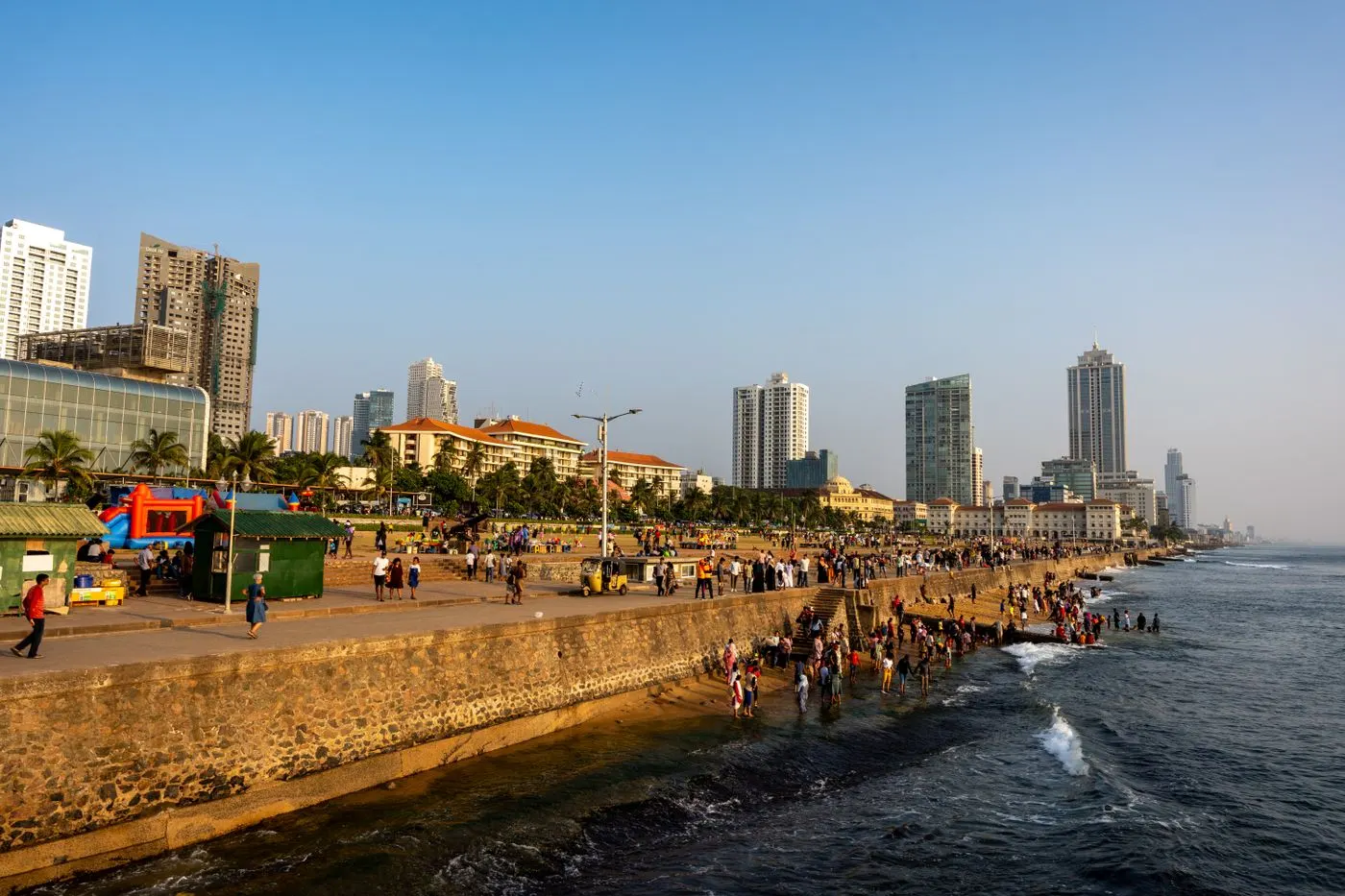
| Colombo | City neighbourhoods, markets, food and the seafront | Group nearby stops and leave room for traffic and shaded breaks |
| Sigiriya and Dambulla | Rock-fortress heritage and cave-temple visits | Plan for stairs, exposed areas and the heat; check current site arrangements |
| Anuradhapura or Polonnaruwa | Ancient cities and religious heritage | Choose a manageable area and allow time between monuments |
| Kandy | Sacred-city heritage and a base before or after the hills | Allow for local traffic and visitor expectations at religious sites |
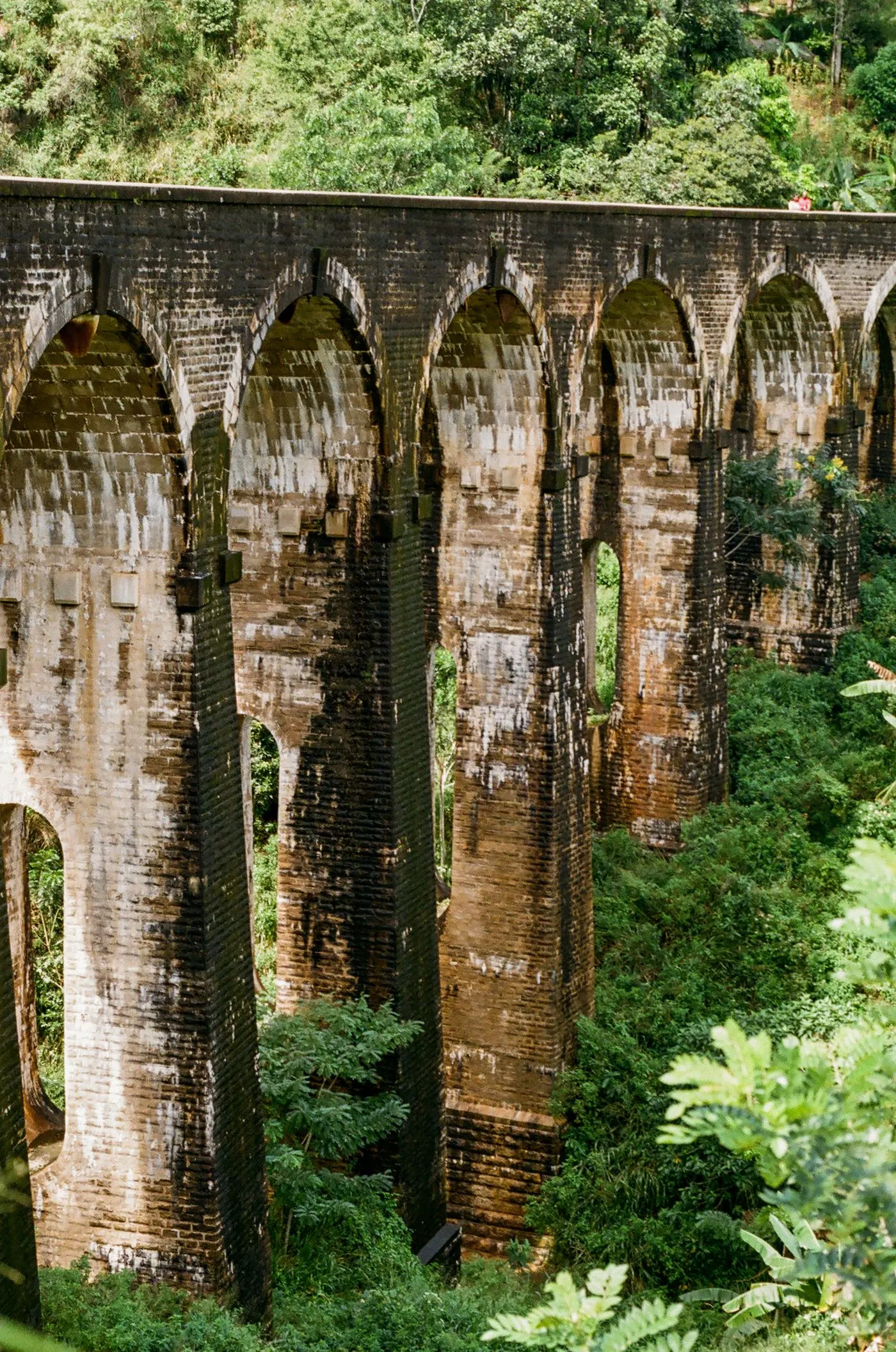
| Nuwara Eliya or Ella | Hill-country landscapes and a change of pace | Bring layers and rain protection; match walks to ability and conditions |
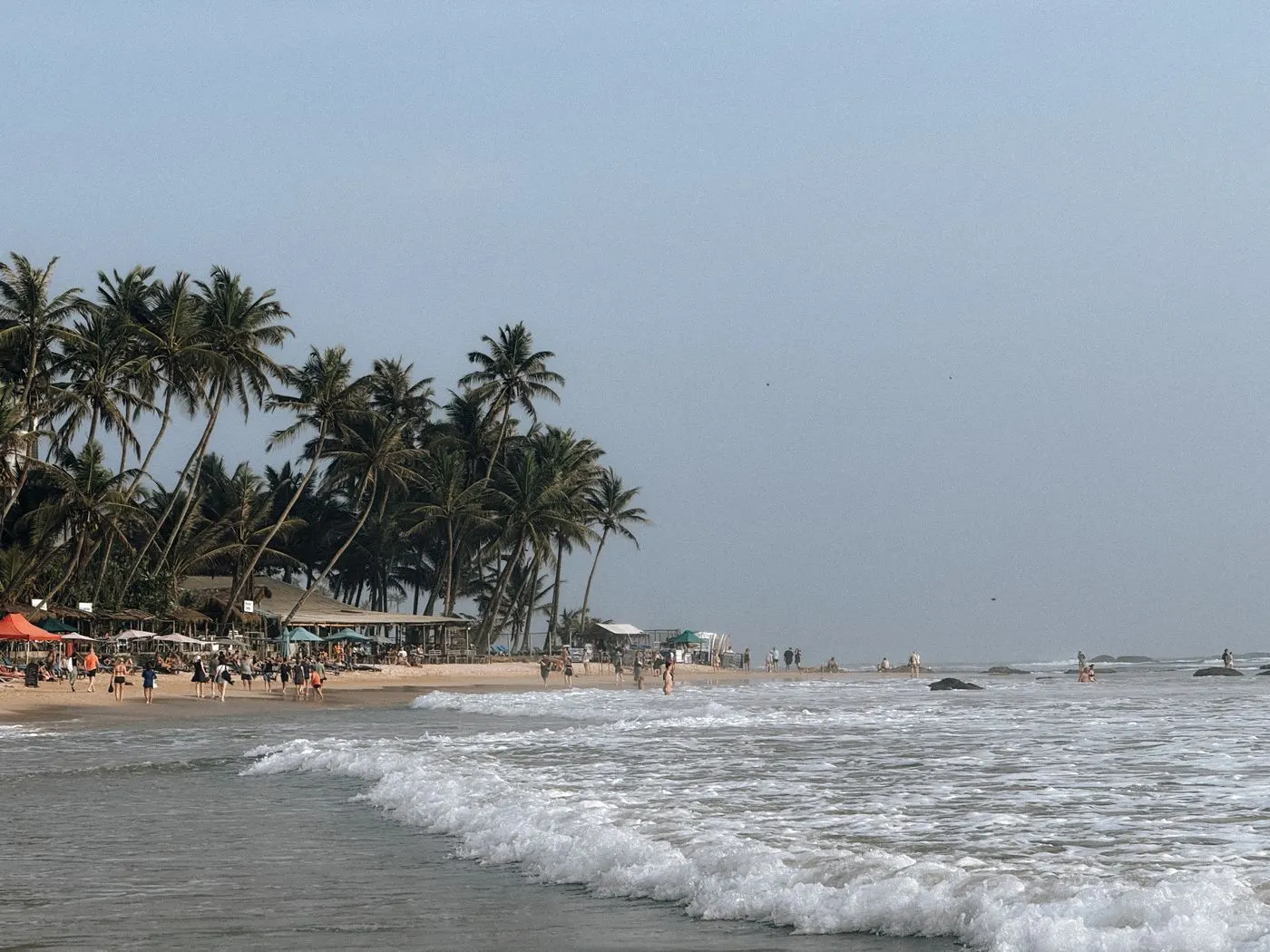
| Galle and the south coast | Fort streets, coastal towns and time beside the sea | Choose a coastal base rather than moving between every beach |
| Trincomalee and the east coast | An alternative coastal stay | Check regional seasonality and allow for the cross-island journey |
| A national park on your route | Wildlife watching in a protected area | Confirm permits, access and operator arrangements; sightings are never guaranteed |
Give the cultural sites time to make sense
Sigiriya, Dambulla, Anuradhapura and Polonnaruwa offer different ways into the island's history. Rather than visiting all of them quickly, choose the sites that interest you and leave time to understand what you are seeing. A suitable guide can add context; agree the scope, language and price before starting.
Consider the physical demands alongside the photographs. Stairs, uneven ground and sun exposure may affect your group differently. Ask about practical access before making a particular climb or temple visit the essential part of the day.
Religious places remain places of worship. Follow the site's dress, footwear and photography instructions, keep entrances clear and ask before photographing people. Allow for a slower visit rather than treating a sacred site as a quick backdrop.
Balance hill-country travel with time in one place
Kandy can form one part of a route into the hills, while Nuwara Eliya and Ella offer different bases for exploring upland scenery. Pick the base around what you want to do and how you will arrive. A room with a distant view can also mean a steep approach or an extra transfer from town.
A scenic railway journey should be planned as a journey, with time for stations, luggage, reservations and onward travel. Confirm the current service and ticket arrangements with the operator. Do not build an essential connection around a photograph, an old timetable or an assumed seat.
At the coast, decide whether you want a town with easy access to meals and transport or a quieter stay. Galle offers a heritage stop that can be paired with a south-coast base. Trincomalee and other east-coast options deserve their own travel allowance rather than an overnight detour from the south.
Beach weather and swimming conditions are different questions. Follow local flags, lifeguard advice and closures, and do not infer safe water from a sunny day or other people swimming. Keep an alternative plan for rough seas or rain.
Plan around regional weather, not one island-wide season
Sri Lanka's tropical climate varies with region, elevation and monsoon patterns. The southwest monsoon can bring wetter conditions to the southwest and hills, while eastern destinations may offer a different seasonal option. That broad pattern helps shortlist regions; it does not predict the weather for your dates.
Use the official tourism weather overview for context and check current forecasts and disaster alerts close to departure. Leave flexibility for outdoor walks, boat trips and long road journeys. If a warning affects an area, revise the activity or route instead of treating a prepaid plan as a reason to continue.
Pack for the actual itinerary: sun protection and water for hot outdoor days, rain protection and an extra layer for the hills. Ask accommodation about access after heavy rain and choose activities suited to everyone in the group.
Three routes you can adapt to your available time
These examples assume arrival and departure in the Colombo airport region. Nights include arrival or departure buffers; adjust them to your transport times. They are suggestions for pacing, not transport schedules or guaranteed combinations for every season.
If an east-coast beach stay is the priority, build the trip around that coast and a compatible inland stop. Do not simply add it to the longer south-coast circuit. For a weekend starting in Colombo, choose one region and protect time for the return journey.
| Time available | Example allocation | Why keep it this focused? |
|---|---|---|
| 5 nights: city and south coast | 1 night Colombo or airport area, 3 nights Galle or one nearby coastal base, 1 night near departure | Provides a heritage outing and coastal downtime without crossing the island |
| 8 nights: heritage and hills | 1 arrival night, 3 nights Sigiriya/Dambulla area, 2 nights Kandy, 1 night Colombo, 1 departure-buffer night | Allows a cultural focus and a shorter hill-country introduction; combine the final two nights in one convenient base if appropriate |
| 12 nights: a broader circuit | 1 arrival night, 3 nights Sigiriya/Dambulla area, 2 nights Kandy, 3 nights Ella, 2 nights one south-coast base, 1 departure-buffer night | Offers variety but includes substantial transfer days; remove a region if you want a slower holiday |
Treat wildlife as an encounter, not an appointment
Choose a park that fits the route and the experience you want, then check current access and visitor arrangements. The Department of Wildlife Conservation states that national-park visits require permits under the applicable conditions. Confirm what an operator's price includes rather than assuming vehicle hire includes every entry charge.
Ask how the operator follows park rules and handles busy sightings. Stay in permitted areas, follow authorised guidance, avoid feeding or disturbing animals and never pressure a driver to approach more closely for a photograph. No responsible itinerary can promise a particular wild animal.
Allow for an early start, time in a vehicle and the needs of children or travellers with mobility concerns. A park visit can be rewarding without a long species checklist; the landscape and quieter observations are part of the experience.
Budget for the whole route, including the days between stops
List accommodation, intercity transport, local transfers, meals, entry fees, guides and optional activities separately. Compare room prices on the same basis: occupancy, taxes or service charges, meals and cancellation terms. Confirm any resident or visitor rate that applies rather than reusing an old online price.
For a driver or tour, ask about the vehicle, luggage space, route, daily availability, parking or road charges and changes to the plan. For public transport, check the full door-to-door journey, including the final transfer to your stay. A low ticket price may not reflect the time or extra transport needed.
Book essential elements once the route is workable, but preserve some flexibility. Keep confirmations and important contacts available offline. International visitors should verify current entry requirements with the relevant official authorities before travelling; this guide does not provide live visa advice.
- Choose a few priorities and count usable days, not just calendar dates.
- Check weather and transport for the specific regions and travel dates.
- Ask about access, stairs and activity demands before booking.
- Confirm inclusions, cancellation terms and the route's total cost.
- Leave time before departure and an alternative to weather-dependent activities.
- Respect worship, local residents, wildlife and protected places throughout the trip.
Frequently asked questions
How many places should I include in a first visit?
Choose a few bases around your main interests and available nights. Count transfers as part of the holiday rather than empty space between attractions. If the plan requires changing accommodation almost every day, remove a stop and give the remaining places more time.
Can I combine the coast and hill country?
Yes, with sufficient travel time. Choose the coastal region with your dates and route in mind and allow for the journey down from the hills. A short visit may be more enjoyable with one main region instead of both.
Is there one best season for the whole island?
Regional weather patterns differ. Use broad monsoon patterns to shortlist areas, then check forecasts, warnings and local conditions for your dates. Neither a seasonal label nor sunshine guarantees suitable sea or hiking conditions.
Do I need to visit every famous heritage site?
No. Select sites that match your interests and physical comfort, and allow time for context and rest. A few thoughtful visits can be more memorable than rushing through several monuments in the heat.
Should I book a safari around a promised animal sighting?
No wild sighting can be guaranteed. Choose a suitable park and operator, verify permits and inclusions, and prioritise compliance with park rules and animal welfare over getting close to a particular animal.
Can I rely on travel times shown on a map?
Use them as a starting estimate. Road conditions, traffic, weather, stops and connections can change the journey. Confirm current transport arrangements and leave a buffer before flights or other fixed commitments.